
[rating=5.00]
 311 has spent months promoting its first proper album since 2009, rallying the base with email blasts, even setting a March 11th release date to coincide with the concert tradition known as 311 Day.
The first event happened in 2000, in pre-Katrina New Orleans, and has since returned every two years, with few exceptions. The shows boast a setlist spanning 60-plus songs, can run as long as five hours, and always feature a stunning drum solo involving all five band members.
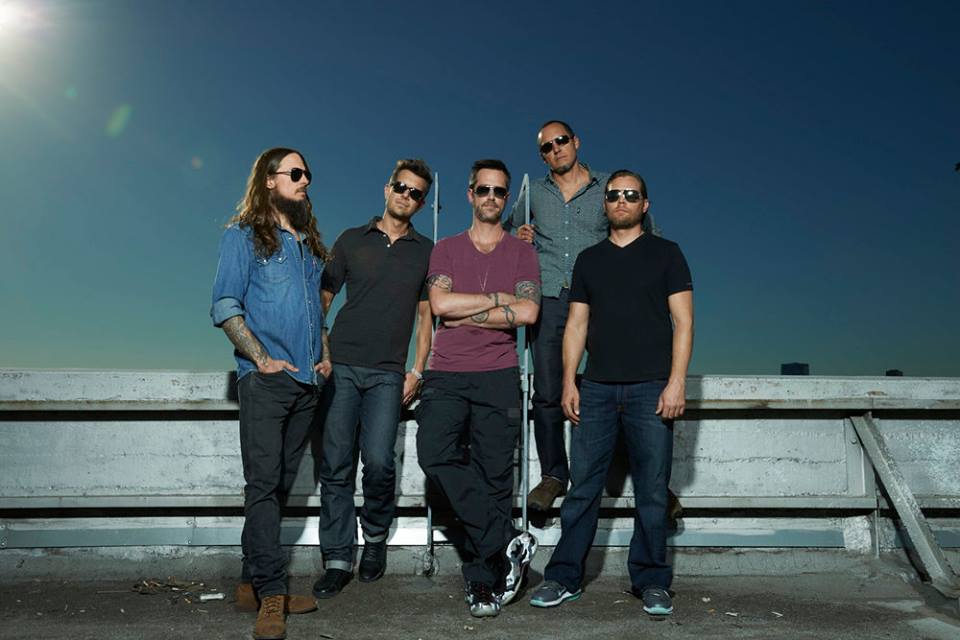
Today, some 25 years after forming, 311 seems to value brand over band. The timing of Stereolithic, out today on 311 Records, was a calculated marketing move from the inside. Frontman Nick Hexum has lately made much of their recent independence from “corrupt” and “incompetent” record labels, while praising his group’s prevailing “eclectic-ness.” Such self-hype reflects the go-get-’em earnestness of veterans going it alone for the first time. You get the feeling the guys spitballed titles until they got one that could reveal a subliminal 3-1-1 on the cover art: STER3OL1TH1C. But while free from corporate constraints, this effort plays like a haphazard collection of outtakes.
That’s why Stereolithic suffers: nothing here suggests a break from those record-contract shackles. Much of the album is dull familiarity, a retread rife with expected song structures, indulgent effects, and silly studio chatter. Take the recycled formula of “The Great Divide”: tough guitar intro/Hexum rap/harmonizing chorus/Martinez rap/repeat. Worse, the song contains this line: “We’re breaking away from the past/reaching a new plane at last.”
Red Hot Chili Peppers and Rage Against the Machine may have been the first rock bands to incorporate rap, but 311’s Hexum and S.A. Martinez were the first co-frontmen to share singing and rapping duties. Starting with their 1993 debut, Music, the pair traded rhymes and verses that advocated unity and smoking weed. While the Chilis fixated on sex and Rage skewered social injustice, 311 floated somewhere in between. Since then, their riff-driven funk-metal and reggae-pop flair has never strayed far from the blueprint. One exception: Transistor, from 1997, was a 21-song behemoth, a masterpiece that explored themes like evolution and reincarnation, embraced psychedelia, and even contained a recording of outer space. It was 311’s first album to break Billboard’s top ten, and the first of seven straight releases to claim that territory. Sales haven’t stopped, but that doesn’t mean eclecticism has kept up.
Stereolithic offers few redeeming songs: “Simple True” and the closer, “Tranquility,” are sweet standouts that shatter the monotony, and the sudden tempo turns and style swings of “Showdown” capture the kind of momentum 311 once delivered on entire albums. Producer Scotch Ralston’s return from a 15-year absence yields little sign of his fingerprints here. The ballads “Friday Afternoon” and “Sand Dollars” sound like castaways searching for radio rescue, and the studio gimmickry reaches new heights on “Existential Hero,” when the group samples itself by distorting a snippet from one of its oldest songs.
311 Day celebrates staying true to the fans, but what’s missing from Stereolithic is soul. Few of 311’s peers can match their instrumental ability and stamina onstage. But this latest studio work is less than the sum of its parts. The brand, it appears, is on a mission to beat the band.
Comments
Loading comments...
Leave a Comment